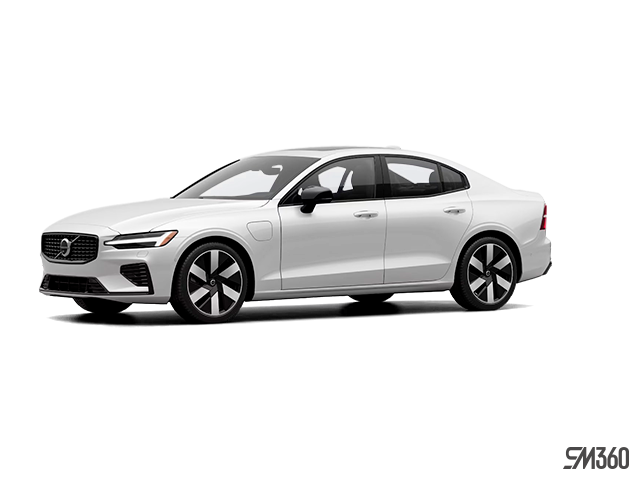
Photo for illustrative purposes only.
Find out moreVolvo Cars Villa

Volvo has built its reputation on a singular commitment: safety. From the very beginning, the Swedish automaker has been at the forefront of automotive safety innovations, often setting benchmarks that the rest of the industry follows. While modern Volvos offer a blend of luxury, technology, and performance, their foundation remains the same—engineering vehicles that protect drivers, passengers, and pedestrians alike. This commitment has shaped Volvo’s legacy and continues to influence its future.
For Canadian drivers, safety isn't just a feature—it’s a necessity. Harsh winters, unpredictable road conditions, and vast highways demand vehicles equipped with top-tier safety technology. Volvo’s advancements in collision protection, driver assistance, and crash avoidance have made it a leader in the Canadian market. Understanding Volvo’s history of safety helps highlight why the brand remains one of the most trusted names on the road today.
A Legacy of Innovation
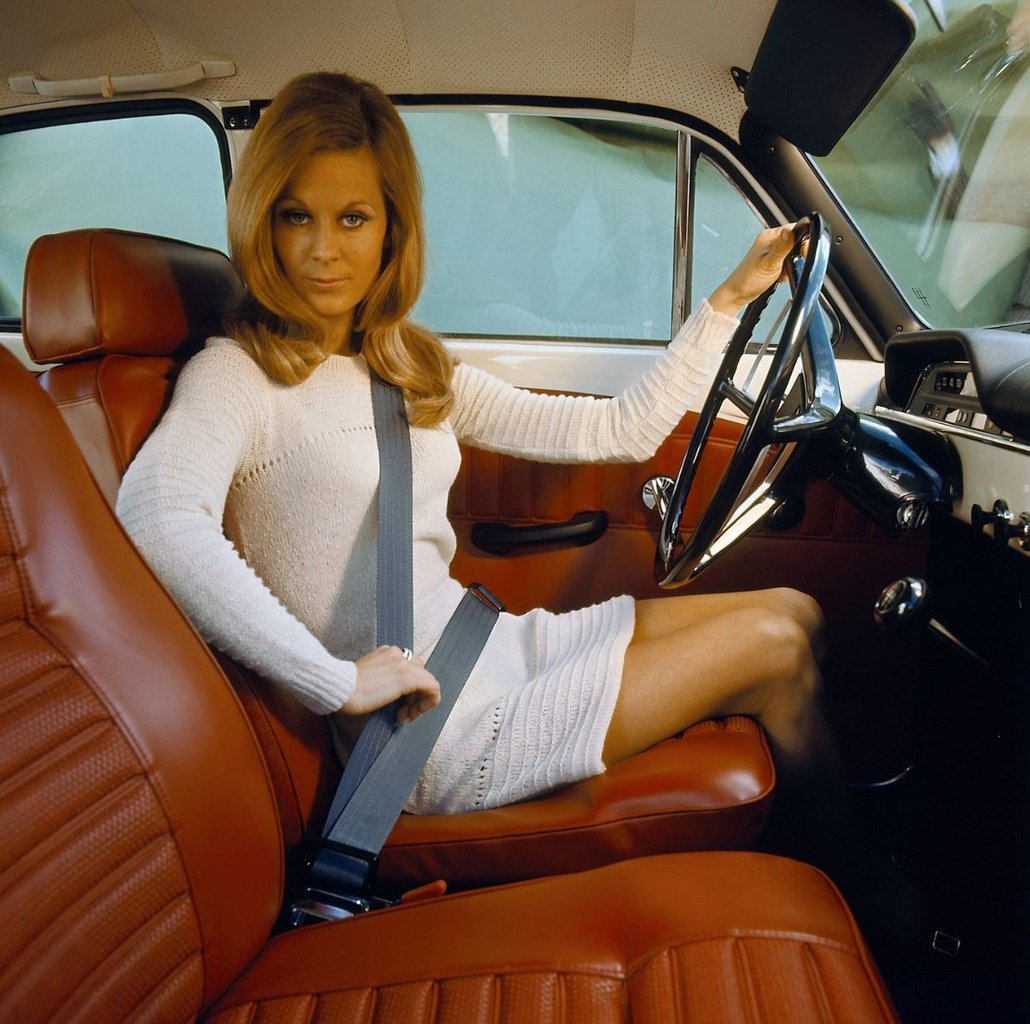
Volvo's safety journey began in 1959 when engineer Nils Bohlin developed the three-point seatbelt—an invention that has saved millions of lives. Unlike older lap belts, the three-point design secures both the upper and lower body, reducing the risk of serious injury. Instead of patenting the innovation for profit, Volvo made it freely available to all automakers, cementing its reputation as a safety pioneer.
The 1970s saw Volvo introduce crumple zones, designed to absorb impact energy and reduce crash forces on passengers. By the 1980s, side-impact protection systems (SIPS) became standard in Volvo models, reinforcing the cabin structure to minimize injury in collisions. Airbags, another essential safety feature, were also integrated into Volvo’s lineup ahead of many competitors.
Safety Enhancements
While Volvo’s global safety innovations are well-documented, its impact in Canada is particularly notable. The introduction of heated windshield washer nozzles and advanced traction control systems has helped Volvo drivers handle harsh winter conditions. Electronic Stability Control (ESC), a technology Volvo pioneered, became a required feature in all new Canadian vehicles by 2012.
Volvo’s all-wheel-drive (AWD) systems, combined with its suite of driver assistance features, make navigating snow-covered roads safer. Many models include adaptive headlights, which adjust based on road curvature, ensuring optimal visibility during long Canadian winters. Volvo's City Safety system, which detects pedestrians, cyclists, and large animals, is particularly useful in regions where wildlife collisions are a concern.
A Vision for the Future
Volvo’s commitment to safety goes beyond passive protection. The brand has set an ambitious goal: zero fatalities in a new Volvo. To achieve this, Volvo has focused on autonomous driving technology, advanced driver monitoring systems, and connected vehicle infrastructure. Innovations such as Pilot Assist, which provides semi-autonomous driving capabilities, and Volvo’s latest LiDAR-based safety systems showcase the next evolution of automotive protection.
Additionally, Volvo’s move toward electrification aligns with its safety-first philosophy. The brand's electric vehicles, such as the Volvo EX90, integrate advanced battery protection and enhanced crash structures to maintain passenger safety while meeting Canada’s growing demand for sustainable mobility.
Volvo’s legacy in safety is unmatched, and its future remains focused on protecting drivers on every journey. For those looking to experience the latest in Volvo safety, Volvo Cars Villa offers a lineup of models equipped with innovative protection features tailored for Canadian roads.
Photo for illustrative purposes only.
Find out more
Volvo's Google Built-in Infotainment: How Smart Technology Enhances Your Daily Drive in Ontario
Volvo's partnership with Google has created one of the most user-friendly infotainment experiences available in today's premium vehicles. For...
Read more
5 Volvo Features That Make Ontario Winters More Enjoyable
Winter driving in Ontario demands more than just capability—it requires confidence, comfort, and technology that works with you, not against you....
Read more
Volvo 2026 Electrified SUVs Compared: XC40 vs. XC60 vs. XC90 – Find Your Match
Volvo's 2026 electrified SUV lineup offers Ontario families three distinct options for sustainable driving without compromising on space, safety,...
Read morePowered and developed by